One of the most elusive modern military rifle concepts has had the lasting influence of the SEAL RECCE rifle. Born from a practical need rather than a formal weapons program, the RECCE combined the familiar AR-15/M16 platform with an emphasis on accuracy, compactness, and versatility. The result was a rifle that occupied an unusual space between the conventional carbine and a dedicated precision rifle.
Today, the SEAL RECCE has become one of the most recognizable configurations in the world of military clone rifles. For enthusiasts who appreciate the history and details of these rifles, reproducing the look and character of an original configuration is about far more than assembling a collection of vaguely similar parts. That is where TYPE A Rifles’ interpretation of the SEAL RECCE stands out.
The Origins of the RECCE Concept
The RECCE was never a standardized rifle in the same sense as a formally adopted military designation. Instead, the concept grew from modifications made to rifles used by U.S. special operations personnel, particularly Navy SEALs. The basic idea was straightforward: take the familiar 5.56mm M16/M4 family and build an accurized, relatively compact rifle that offers greater precision and range than a conventional carbine while retaining the maneuverability and commonality of the AR platform. Early examples generally centered around a 16.5 inch match-grade barrel, free-floating handguard, magnified optic, and precision-oriented components.
That combination created a remarkably flexible rifle concept. It wasn’t intended to replace a conventional carbine or a true sniper rifle. Instead, it filled the space between them. The concept eventually helped influence the development of the Mk 12 Special Purpose Rifle program at Naval Surface Warfare Center Crane. The Mk 12 formalized many of the ideas that had emerged from the earlier RECCE rifles, although the resulting rifles were generally longer and heavier than the original compact concept.
Why the SEAL RECCE Became So Important
The enduring appeal of the RECCE is rooted in its philosophy. Rather than designing a rifle around one narrowly defined task, the concept emphasized balance. A RECCE could retain the familiar handling characteristics of an AR-pattern carbine while adding the components necessary for greater precision.
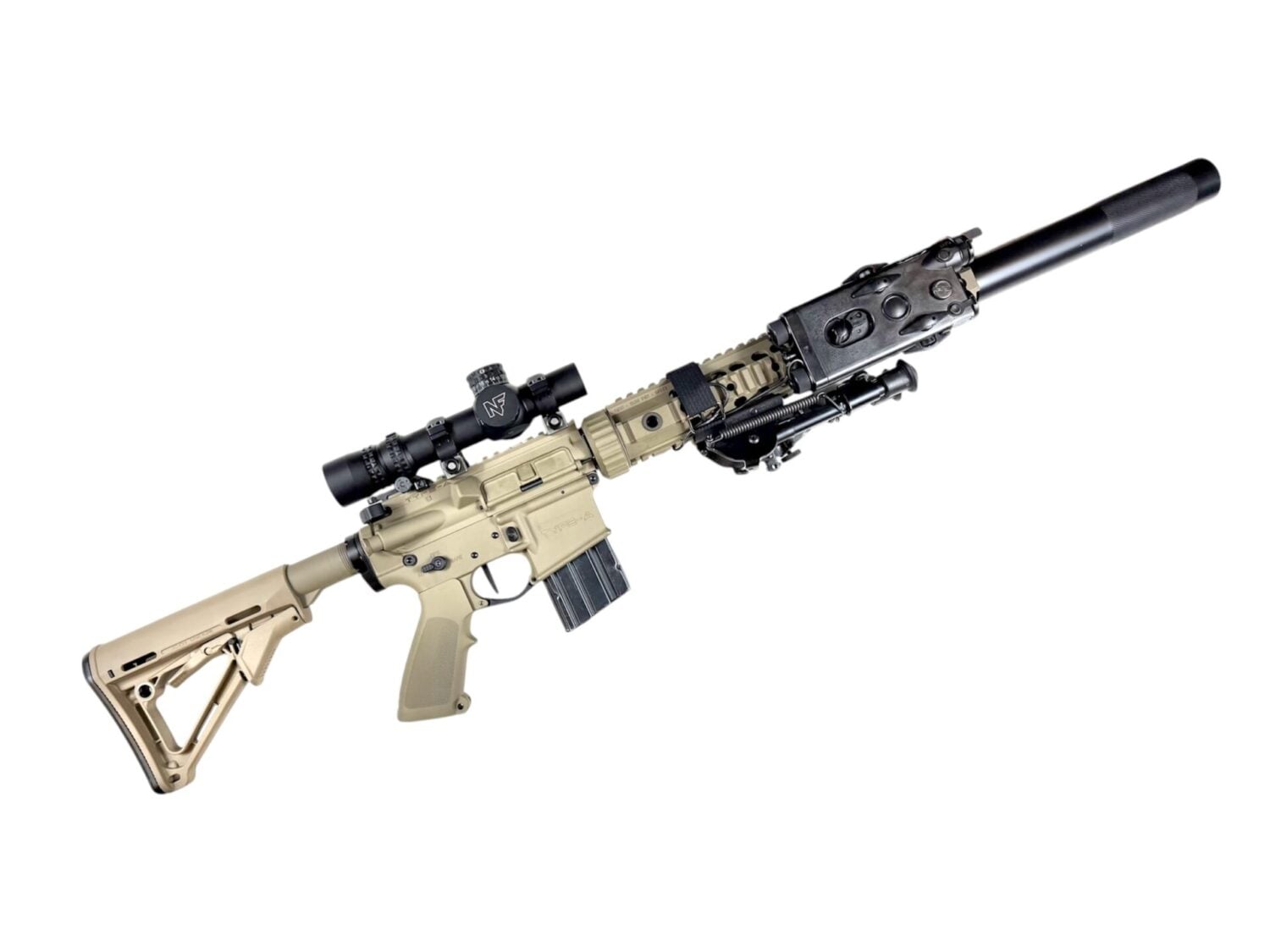
Historically, that meant an accurized barrel, free-floating handguard, magnified optic, and ammunition capable of taking advantage of the rifle’s accuracy potential. The 77-grain Mk 262 cartridge became particularly associated with the development of the precision-oriented 5.56mm concept.
The result was one of the most influential “general-purpose precision” rifle concepts of the modern era. That influence can still be seen today. Modern precision carbines, SPR-style rifles, and many civilian AR configurations owe something to the same basic idea: a rifle doesn’t necessarily have to become a large, heavy precision platform to gain meaningful accuracy and optical capability.
Clone Correctness Matters
For collectors and military firearms enthusiasts, however, performance is only part of the appeal.
The SEAL RECCE is historically interesting precisely because it was not a single rigid configuration. Individual rifles could vary according to the period, unit, armorer, and operator. Consequently, building a truly convincing clone requires attention to the details that define a particular era or configuration rather than simply attaching a long barrel and optic to an AR-15.
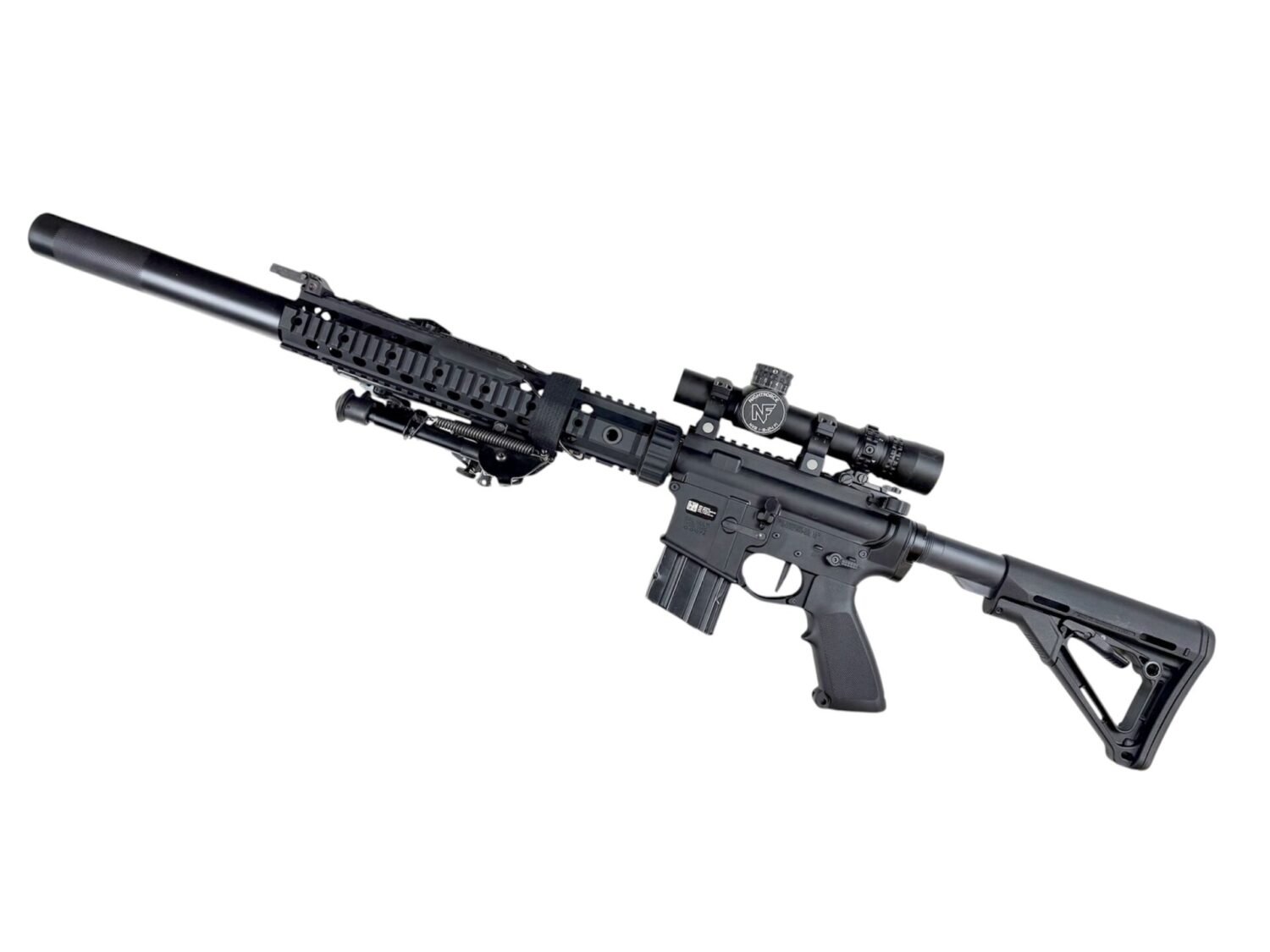
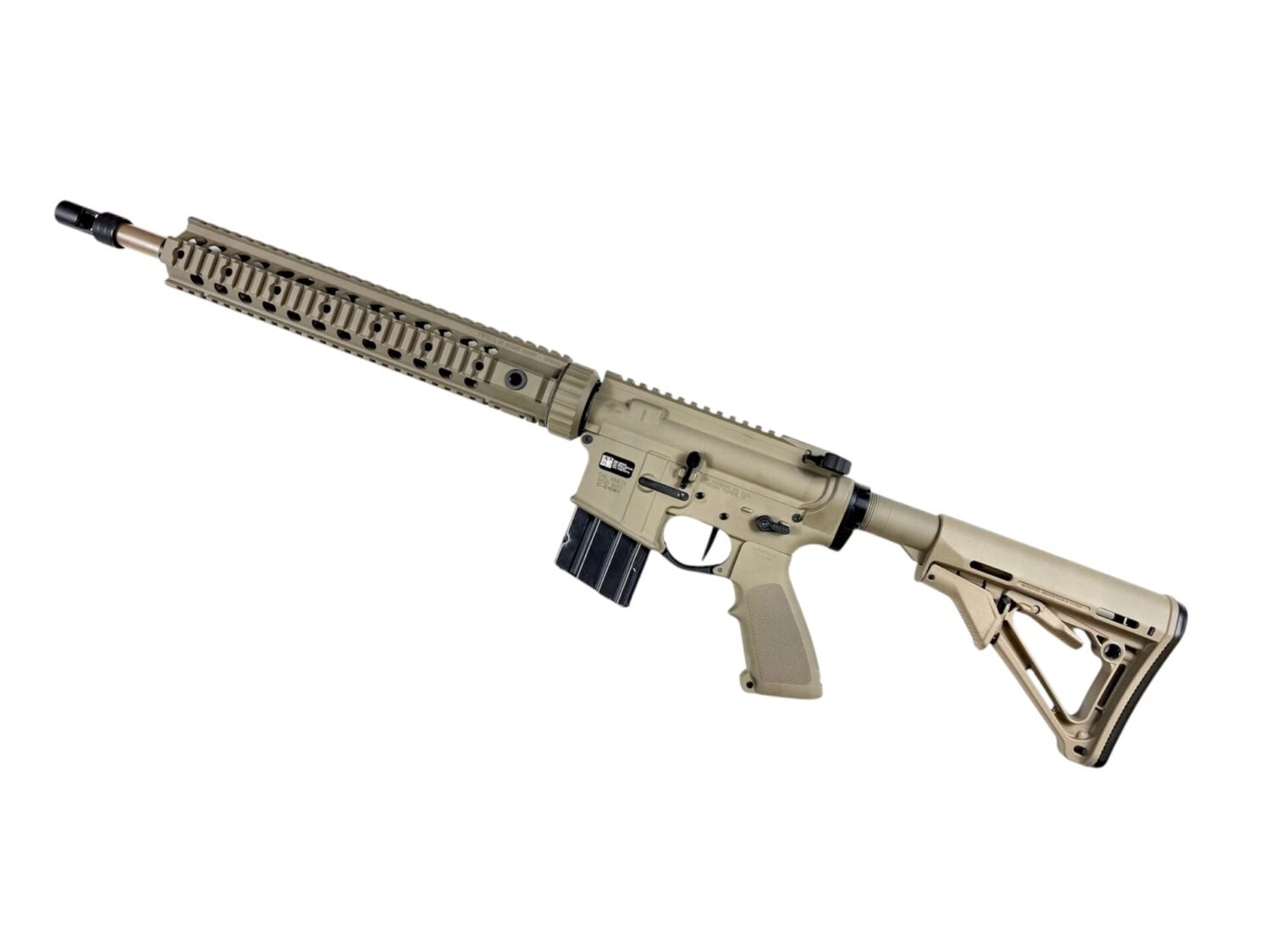
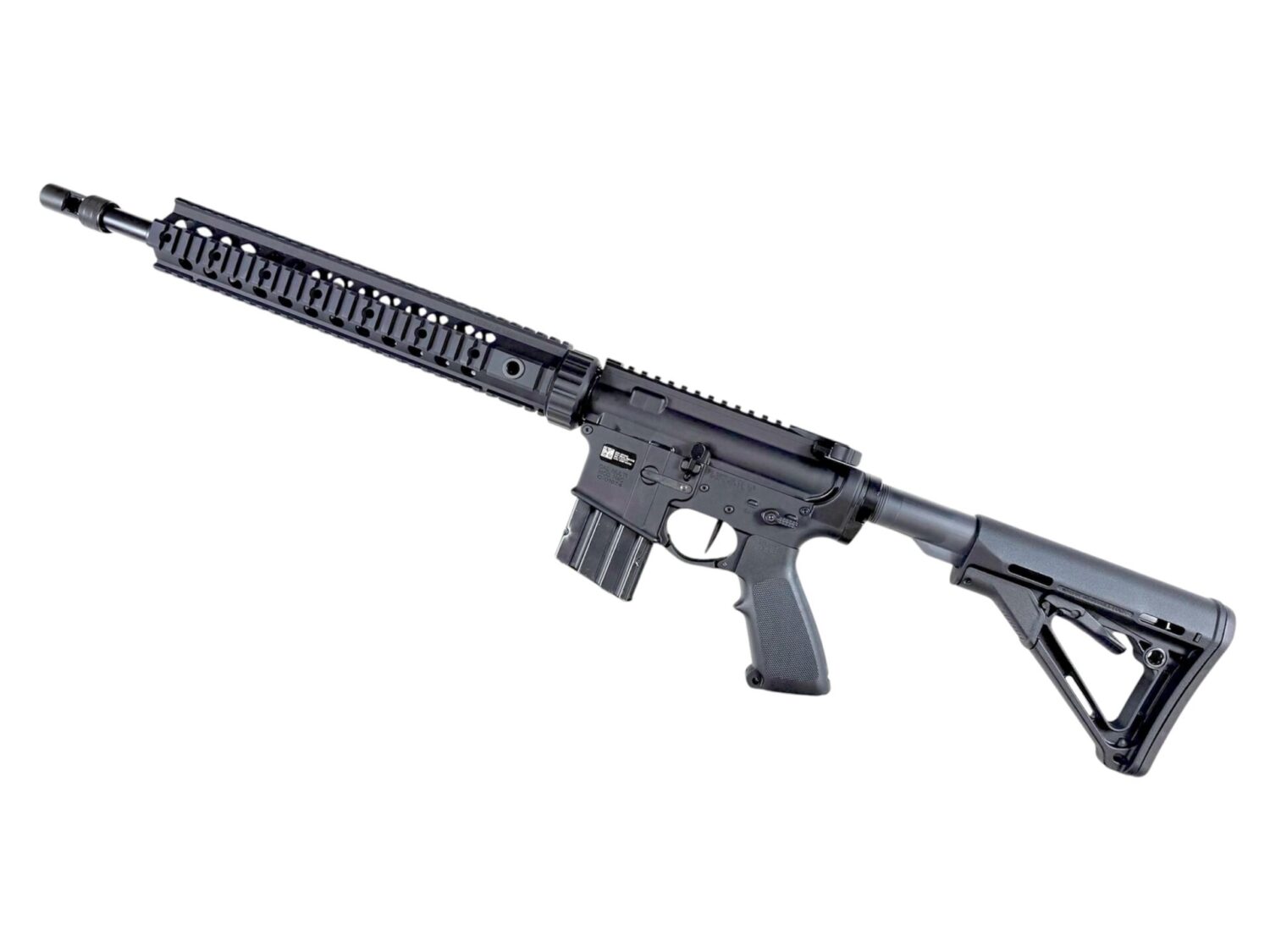
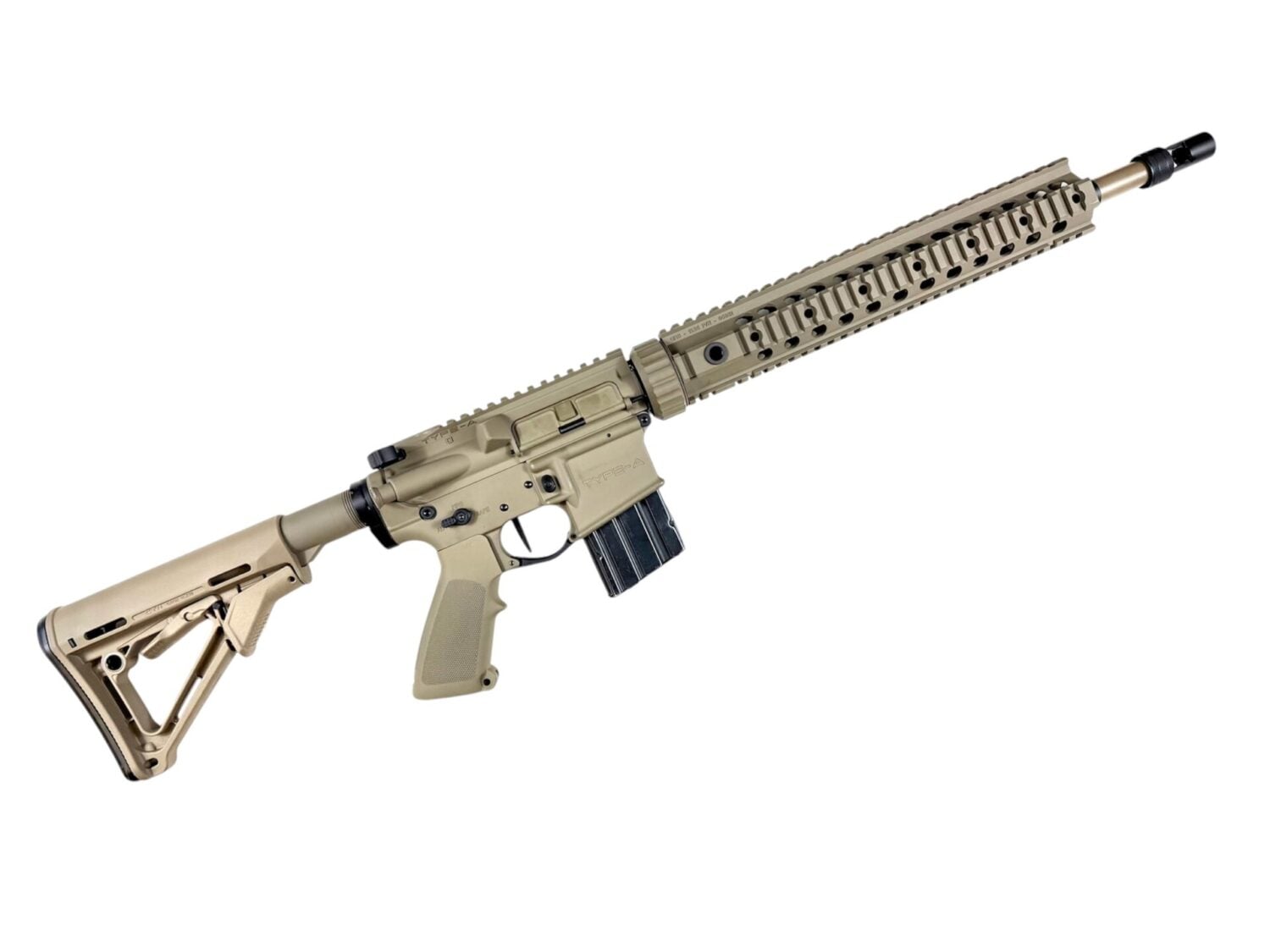
Their SEAL RECCE offering is designed around the distinctive visual and mechanical characteristics associated with the classic rifle while incorporating modern manufacturing. Available specifications for our TYPE A/BG Defense SEAL RECCE include a 16.5″ or 15.1-inch stainless match-grade barrel, rifle-length gas system, free-float handguard, SPR-style suppressor collar, two-stage trigger, B5 furniture, and our TYPE A Gen 3 receiver set. The combination gives enthusiasts something considerably more compelling than a generic “RECCE-inspired” rifle.
A Modern Interpretation of a Classic
One of the most appealing aspects of our rifle is the way it bridges two worlds. Visually, the configuration evokes the unmistakable appearance of the special-operations RECCE rifles that established the pattern. At the same time, modern manufacturing allows TYPE A to produce a rifle with contemporary fit, finish, and component quality.
The result is not simply an AR-15 with a historical paint job. The configuration reflects the defining characteristics of the RECCE concept: a compact precision-oriented rifle, a free-float handguard, a match-grade barrel, and an overall emphasis on balance rather than maximum size.
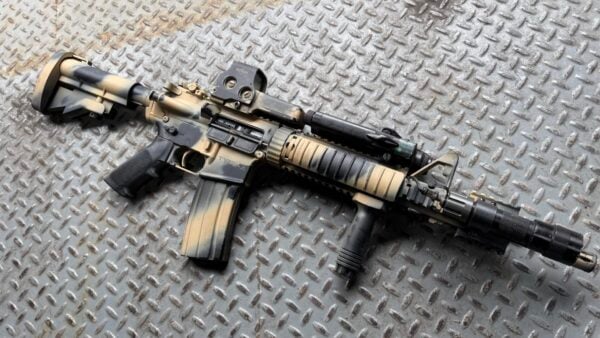
We mix tradition and modern machining practices by using our own receiver and handguard components, which also gives the rifle a distinctive interpretation rather than making it merely a collection of unrelated aftermarket parts. Our Modern RECCE configuration, for example, uses a TYPE A MK quad handguard, while its more historically styled SEAL RECCE configuration has been associated with the Knight’s Armament free-float RAS.
Why the RECCE Still Resonates
More than three decades after the early RECCE concept emerged, its appeal has only grown. Part of that comes from the rifle’s place in special-operations history. The other part comes from the elegance of the underlying idea. The RECCE wasn’t revolutionary because it introduced an entirely new weapons platform.
It was revolutionary because it demonstrated how carefully selected improvements could transform a familiar platform into something considerably more capable without abandoning its compact, familiar architecture. That is also why cloners care so much about getting the details right. A faithful reproduction preserves more than the silhouette of the original rifle. It preserves the design philosophy that made the original significant.
TYPE A Rifles and the SEAL RECCE Legacy
For shooters looking for an extremely close modern reproduction of the SEAL RECCE concept, TYPE A Rifles offers an unusually compelling package. Its interpretation captures the visual identity and major characteristics associated with the classic rifle while bringing those features into a contemporary production firearm. In an increasingly crowded market of “inspired-by” rifles, that attention to the distinctive RECCE configuration is what makes the TYPE A version noteworthy.
The SEAL RECCE remains important because it represents a fascinating chapter in the evolution of the modern military carbine: the point where accuracy, compactness, optics, and versatility began to converge into a single platform.We here at TYPE A give today’s enthusiast a way to appreciate that history in a purpose-built modern reproduction—one that comes remarkably close to the look and character of the classic SEAL RECCE while remaining a contemporary firearm. For the military-clone enthusiast, that combination of history, authenticity, and modern craftsmanship is ultimately what makes the TYPE A SEAL RECCE such an interesting rifle.